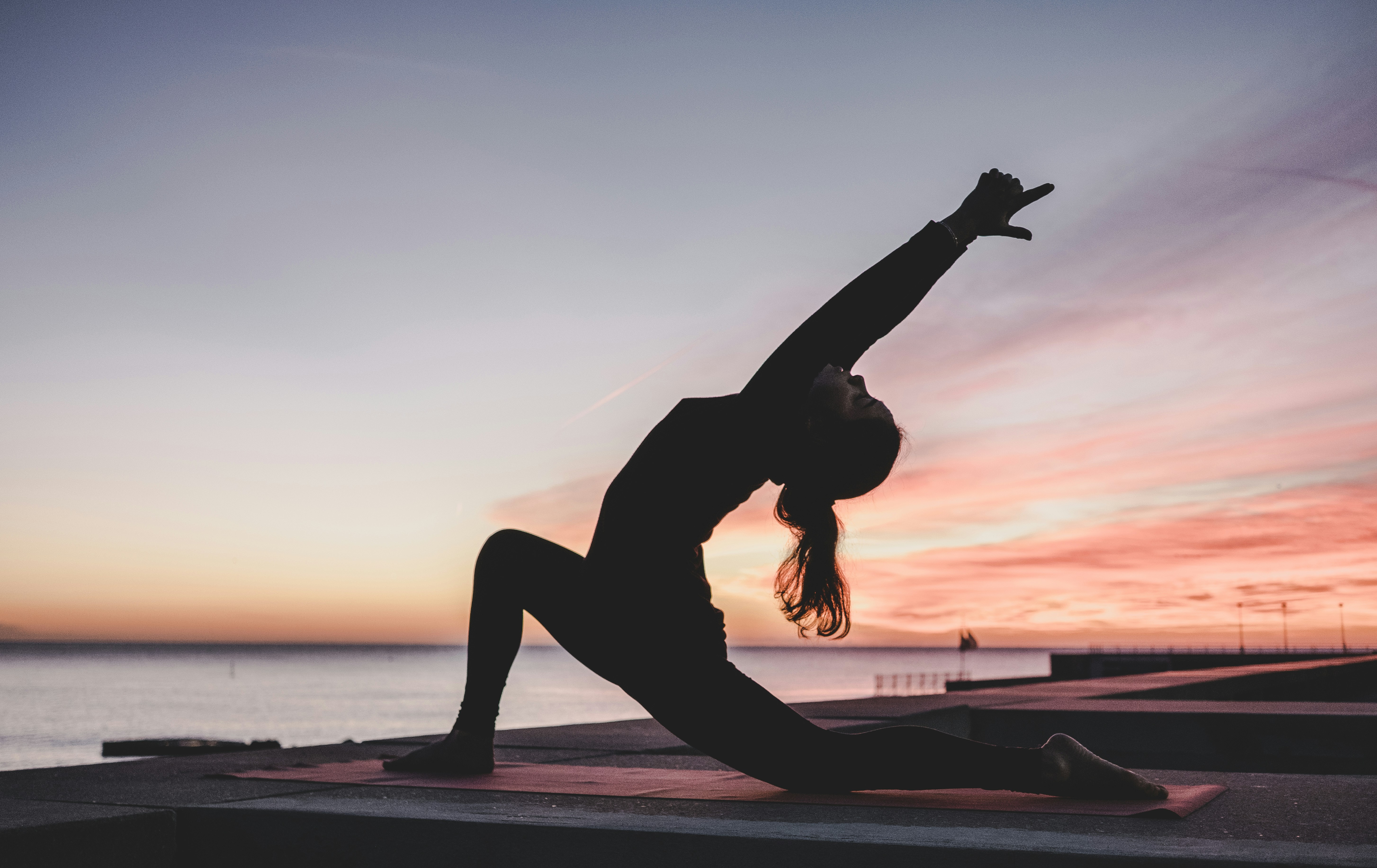
Struggling to sleep? Science has the answer, and that answer is not a pill. A groundbreaking 2025 study analyzing 30 randomized controlled trials with 2,576 participants reveals the exact exercise schedule that most improves sleep quality: high-intensity yoga, twice a week, for 8-10 weeks, in sessions of 30 minutes or less.
Published in Sleep and Biological Rhythms, this network meta-analysis compared every possible combination of exercise variables... and yoga came out on top. Here's what the research means for you, and how Movement Prescription delivers exactly what the science prescribes.
The Sleep Crisis: Why This Matters
Sleep disturbances affect people across all age groups, causing:
- Reduced work productivity and increased accident risk
- Depression, anxiety, and emotional disorders
- Endocrine dysfunction and weakened immunity
- Massive economic burden. Insomnia alone costs Canada $1.9 billion annually
⚠️ The Medication Problem
While pharmaceutical interventions can help, long-term evidence for efficacy and safety is scarce. Some medications even correlate with increased mortality rates. This has led to an urgent search for safer alternatives. Exercise, particularly yoga, emerged as the preferred strategy.
The Research: What Science Actually Says
This 2025 study, published by researchers at Harbin Sport University, used network meta-analysis, a sophisticated method that compares multiple interventions both directly and indirectly, to determine the optimal exercise prescription for sleep disorders.
The Study Details
📊 Scale
30 randomised controlled trials, 2,576 participants with sleep disturbances
🔬 Method
Network meta-analysis comparing exercise types, frequencies, durations, periods, and intensities
📏 Measurement
Pittsburgh Sleep Quality Index (PSQI) - the gold standard for sleep assessment
✅ Quality
Followed PRISMA guidelines, registered on PROSPERO, sensitivity analysis confirmed robust results
The Verdict: Yoga Wins. This is why.
The researchers ranked all exercise types using SUCRA (Surface Under the Cumulative Ranking) values. Higher scores mean better effectiveness:
| Rank | Exercise Type | SUCRA Score |
|---|---|---|
| 🥇 1st | Yoga | 82.1 |
| 2nd | Walking | 81.2 |
| 3rd | Resistance Exercise | 66.3 |
| 4th | Combined Exercise | 53.3 |
| 5th | Dance | 47.0 |
| 6th | Traditional Chinese Exercises | 31.5 |
| 7th | Aerobic Exercise | 20.6 |
Yoga decisively outperformed aerobic exercise (the previous assumed "best" option) by nearly 4 times in effectiveness score. This contradicts earlier meta-analyses and reveals yoga's unique mechanisms for sleep improvement.
The Optimal Prescription: Exact Parameters
The researchers didn't just identify yoga as best, they went further and determined the precise combination of variables for maximum sleep improvement:
🧘 Exercise Type
Yoga (SUCRA: 82.1)
Why: Breath control activates parasympathetic nervous system, regulates brainwaves, promotes delta waves for deep sleep.
📅 Frequency
2 times per week (SUCRA: 83.3)
Why: Balances regularity without fatigue, stabilises circadian rhythm, prevents overtraining.
⏱️ Duration
≤30 minutes per session (SUCRA: 85.1)
Why: Releases endorphins without sustained cortisol elevation, highly adherence-friendly.
📆 Period
8-10 weeks (SUCRA: 92.0)
Why: Time needed for habit formation (66 days), physiological adaptation optimal, improvements sustained after.
💪 Intensity
High intensity (SUCRA: 90.3)
Why: Stimulates sympathetic then strong parasympathetic shift, releases neurotransmitters (serotonin, dopamine, endorphins).
🎯 The Evidence-Based Formula
High-intensity yoga, twice weekly, 30 minutes or less per session, for 8-10 weeks results in the optimal sleep quality improvement
Why Yoga Works: The Biological Mechanisms
The researchers identified specific physiological pathways explaining yoga's superior effectiveness:
1. Breath Control → Parasympathetic Activation
Yogic breathing (pranayama) regulates breath depth, frequency, and rhythm. This directly activates the parasympathetic nervous system ("rest and digest"), decreasing heart rate and blood pressure. Your body enters deep relaxation, significantly enhancing sleep quality—a mechanism unique to yoga compared to aerobic exercise.
2. Brainwave Regulation → Delta Wave Promotion
Yoga uniquely regulates brainwave activity patterns, promoting delta (δ) waves closely associated with deep, restorative sleep. This explains why yoga effectively alleviates insomnia symptoms and reduces nocturnal awakenings—it literally changes your brain's electrical patterns.
3. Neurotransmitter Release → Mood Regulation
High-intensity yoga stimulates release of serotonin, dopamine, and endorphins in the brain. These neurotransmitters regulate emotional states, reduce pre-sleep psychological tension, and improve sleep depth—addressing the mental health issues that often accompany sleep disturbances.
4. Circadian Rhythm Stabilisation
Twice-weekly yoga provides regularity without overtraining fatigue, helping stabilize your body's circadian clock. This optimises your natural sleep-wake cycle—crucial for people with disrupted sleep patterns.
Movement Prescription: Built on This Research
Movement Prescription's yoga program library isn't randomly designed—it's structured around exactly what research proves works. Here's how our platform delivers the evidence-based prescription:
How Movement Prescription Matches the Research
🧘 Comprehensive Yoga Library
The Research Says: Yoga is the #1 exercise type for sleep (SUCRA: 82.1)
What We Offer: Extensive yoga class collection spanning multiple styles—Hatha, Vinyasa, Power Yoga, Yin, Restorative. Whether you need the high-intensity practice the research recommends or gentler options for recovery days, we have it.
⏱️ Perfect Duration Options
The Research Says: ≤30 minute sessions are most effective (SUCRA: 85.1)
What We Offer: Classes ranging from 5-60 minutes, with extensive 20-30 minute options. Busy schedule? No problem. The research proves short works, and on the Movement Prescription platform you will find efficient, targeted sessions.
💪 High-Intensity Options
The Research Says: High intensity is optimal (SUCRA: 90.3)
What We Offer: Power Yoga, challenging Vinyasa flows, and strength-building sequences that get your heart rate up. High intensity doesn't mean impossible. High intensity means challenging enough to trigger the parasympathetic shift that the research identified.
🫁 Breathwork Emphasis
The Research Says: Breath control is yoga's unique mechanism for sleep improvement.
What We Offer: Dedicated pranayama programs and breathing techniques integrated into classes. Learn the specific breath patterns research shows activate your parasympathetic nervous system.
📅 Structured Programs
The Research Says: 8-10 weeks is the optimal period (SUCRA: 92.0)
What We Offer: Multi-week yoga programs designed to build sustainable practice over the exact timeframe research validates. Follow a structured path that maximises sleep improvement.
📊 Progress Tracking
The Research Says: Changes in sleep quality should be measurable.
Recommendation: Track your sleep, so you can monitor sleep quality improvements over your 8-10 week program, just like the research participants did.
Your Evidence-Based Sleep Improvement Plan
Based on this 2025 research, here's your step-by-step plan using Movement Prescription:
Weeks 1-2: Establish the Practice
- • Choose 2 yoga classes per week from our libraries.
- • Focus on 20-30 minute sessions to match research recommendations.
- • Try different styles (Hatha, Vinyasa) to find what challenges you appropriately (high intensity doesn't mean impossibly hard).
- • Note your current sleep quality (falling asleep time, wakefulness, restfulness upon waking).
Weeks 3-6: Build Consistency
- • Maintain your twice-weekly schedule (research proves this frequency is optimal).
- • Incorporate breathwork-focused classes or dedicated pranayama sessions
- • Start noticing improvements: easier sleep onset, fewer night wakings, better morning energy.
- • Continue to track changes to your sleep patterns, and compare it to weeks 1-2 to observe your progress.
Weeks 7-10: Optimize & Measure
- • By week 8, research predicts significant sleep quality improvements.
- • Compare your current sleep quality to your Week 1 baseline.
- • Refine your practice: if it is too easy, increase intensity; if it is unsustainable, reduce intensity or duration.
- • Commit to completing a full 10 weeks to cement habit formation (the research shows 66 days creates lasting change).
Beyond Week 10: Sustainable Sleep Health
- • Continue twice-weekly practice for sustained benefits.
- • Research shows improvements persist after the intervention period with ongoing practice.
- • Add variety: explore different yoga styles, try longer classes when time allows.
- • Your circadian rhythm is now stabilised, your parasympathetic tone improved. Now maintain it by keeping your improved habits.
Why This Matters for Office Workers
If you're an office worker struggling with sleep, this research is especially relevant. Desk work systematically disrupts sleep through these factors:
- Sedentary lifestyle: Lack of physical activity prevents natural stress hormone metabolism, keeping stress levels elevated for longer.
- Chronic mental stress: Work pressure keeps sympathetic nervous system activated.
- Screen exposure: Blue light and constant stimulation disrupt circadian rhythms.
- Physical tension: Hunched posture and muscle tightness create discomfort that impairs sleep.
Yoga addresses all of these: The physical practice releases tension, breathwork activates parasympathetic response, and the circadian rhythm stabilisation counteracts irregular work schedules. It's specifically effective for the sleep disruptions office workers face.
💼 Office Worker Advantage
Many of Movement Prescription's classes are designed for desk workers. In particular, you can practice:
- • At home (no commute to yoga studio eating into sleep time)
- • In short sessions (15-30 minutes fits lunch breaks or morning routines)
- • At your own pace (no pressure to keep up with studio classes)
- • With modifications (chair yoga options for extremely busy days)
The Bottom Line: Science-Backed Sleep Solution
This isn't wellness industry hype. This is peer-reviewed research from 30 studies analysing 2,576 people with sleep disorders:
- ✅ Yoga outperforms all other exercise types for sleep improvement
- ✅ Twice weekly frequency is optimal (not more, not less)
- ✅ 30 minutes or less per session is most effective
- ✅ 8-10 weeks shows significant, measurable results
- ✅ High intensity triggers the strongest parasympathetic response
Movement Prescription provides exactly this evidence-based prescription. The video library matches what research proves actually works.
You don't need to guess at what might help your sleep. The research has done the work. Movement Prescription gives you the tools. All you need to do is start.
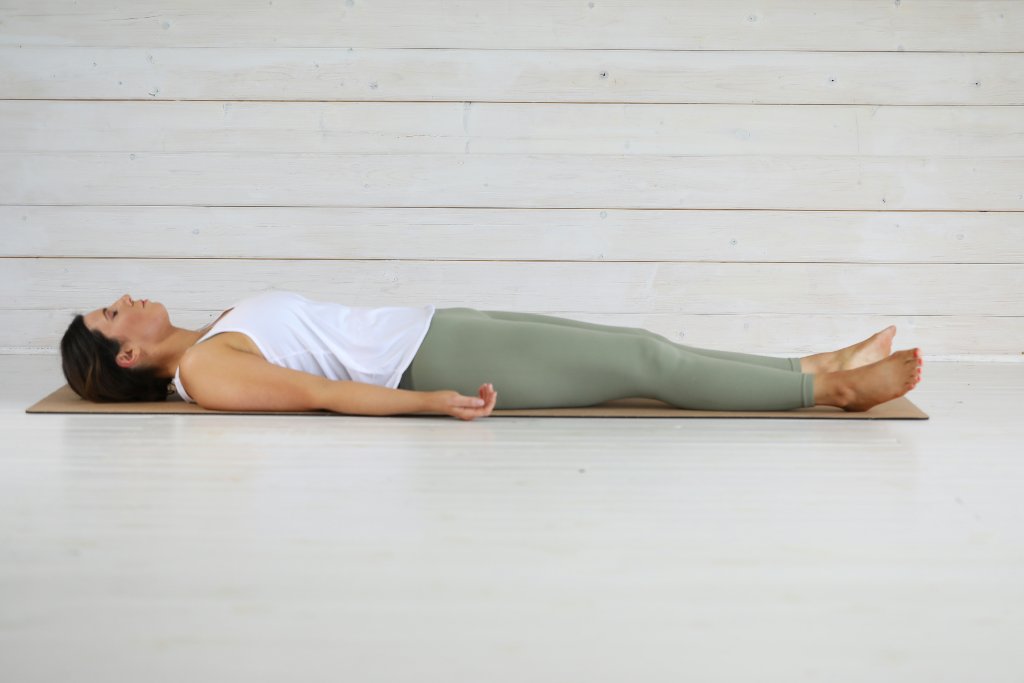
Sleep Better Tonight: The Evidence-Based Way
2,576 research participants proved it works. 30 randomised controlled trials validated it. Now it's your turn. Join Movement Prescription and follow the exact prescription science shows improves sleep quality: yoga, twice weekly, 30 minutes or less, high intensity, for 8-10 weeks.
Stop struggling. Start sleeping. Let research guide your recovery.
✓ Free to start • ✓ Evidence-based yoga programs • ✓ 20-30 minute classes • ✓ Built for office workers
Research Citation: Li, L., An, J., Wang, D., & Li, H. (2025). Which exercise prescription is most effective for patients with sleep disorders?: a network meta-analysis of 30 randomized controlled trials. Sleep and Biological Rhythms, 23, 355-372. https://doi.org/10.1007/s41105-025-00596-7
About This Article: This post translates cutting-edge 2025 sleep research into practical guidance for people struggling with sleep disorders. The study's network meta-analysis provides the highest level of evidence for exercise interventions, and Movement Prescription's yoga library is specifically designed to deliver the exact prescription the research validates.